
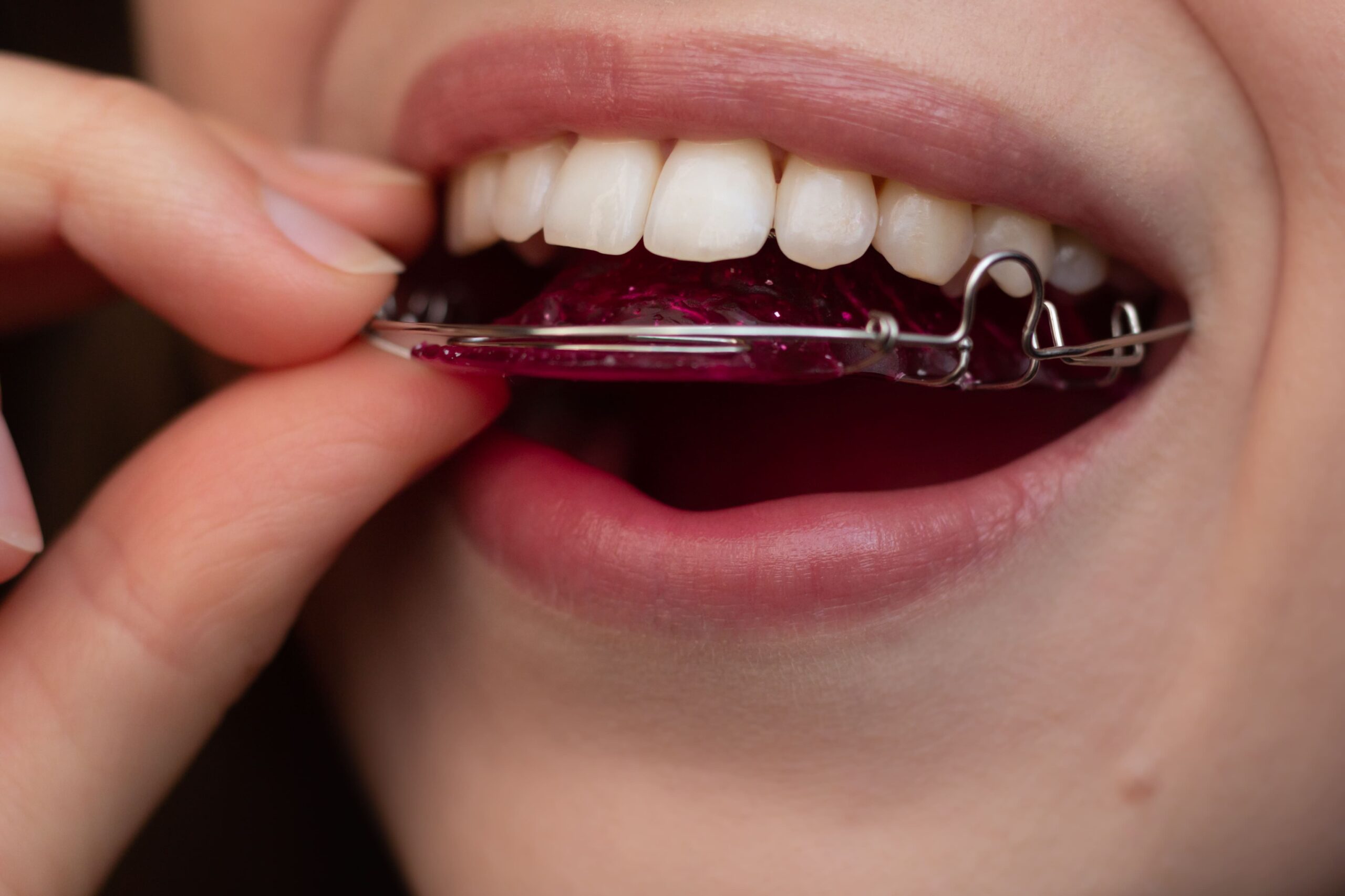
Congratulations! You’ve finally finished your orthodontic treatment. After months—or even years—of braces or Invisalign, you now have the smile you’ve been working toward. It’s natural to feel a sense of accomplishment and even to think the journey is complete. But there’s one critical step that patients sometimes overlook: wearing your retainer.
Failing to wear your retainer, even occasionally, can have surprising consequences. Teeth naturally want to shift back toward their original positions, a process called relapse. Understanding why retainers are so important and what can happen if you stop wearing them will help you protect your investment in a straight, healthy smile.
Why Teeth Move After Treatment
Even after orthodontic treatment, your teeth are not fixed in place. They are held by ligaments and bone that gradually adjust over time. This means your teeth can slowly drift due to normal activities like chewing, speaking, or even subtle pressure from your lips and tongue. Without the stabilization that a retainer provides, teeth that were perfectly straight can begin to move, sometimes within just a few weeks.
Shifting teeth can lead to a variety of issues. The lower front teeth, for example, are especially prone to crowding if a retainer isn’t worn. Over time, teeth may become crooked again, creating both functional problems and aesthetic concerns. Even minor movement can change the overall appearance of your smile and, in some cases, affect how your bite aligns.
The Consequences of Not Wearing Your Retainer
When a retainer is ignored, teeth don’t just move randomly—they often drift back toward their original positions, undoing the work of months or years of orthodontic treatment. This can result in crowding, gaps, or rotated teeth. Bite problems may also develop if teeth shift unevenly, which can cause discomfort when chewing and uneven wear on certain teeth. In some cases, jaw strain or mild tension may appear as your mouth adjusts to the new alignment.
For many patients, the most frustrating consequence is the aesthetic change. A single shifted tooth or a small gap can feel noticeable, especially for those who have worked hard to perfect their smile. In addition, correcting teeth that have moved after treatment may require additional orthodontic work, including new braces or a fresh set of Invisalign aligners.
How Braces and Invisalign Work with Retainers
Retainers are an essential part of orthodontic treatment because they maintain the results achieved with braces or Invisalign. Braces move teeth into position using brackets and wires that guide each tooth with precise force. Once the braces come off, retainers hold teeth in place as the surrounding bone and ligaments stabilize around them.
Invisalign works similarly. The aligners move teeth gradually and precisely, and the retainers that follow are custom-made to maintain those new positions. Without consistent retainer use, the teeth can gradually lose the progress gained through the aligners, just as they would after braces.
How Long Should You Wear Your Retainer?
The exact schedule for retainer wear depends on individual needs and treatment type. Typically, orthodontists recommend full-time wear—around 20 to 22 hours per day—immediately after braces or Invisalign to allow the teeth to settle. After this initial phase, many patients transition to nighttime-only wear. Even years later, occasional or nightly retainer use is often advised to prevent subtle shifting over time.
Consistency is key. Some people mistakenly believe they can stop wearing their retainer after a few months without issue. Unfortunately, the natural tendency of teeth to move continues indefinitely, so long-term compliance ensures your smile remains aligned and healthy.
Tips for Protecting Your Smile
While the mechanics of retainers may seem simple, maintaining them requires consistent care. Always store your retainer in its protective case when not in use to avoid loss or damage. Keep it clean by rinsing daily and using a retainer-safe cleaner weekly. Finally, make wearing your retainer part of your daily routine so it becomes as automatic as brushing your teeth.
Even small lapses can allow teeth to shift slightly. When this happens, minor adjustments from your orthodontist can often correct the problem. Ignoring small changes, however, can lead to more noticeable relapse that requires more extensive treatment.
When Teeth Shift Despite Wearing a Retainer
Occasionally, teeth may still move slightly even with diligent retainer use. This can happen due to natural changes in the jaw, bite, or surrounding tissues. If you notice any changes, it’s important to consult your orthodontist promptly. They can assess whether adjustments or a new retainer are necessary to maintain your results and prevent further movement.
Protect Your Smile with Consistent Retainer Use
Your retainer is the key to keeping your smile looking and functioning its best. Failing to wear it can undo months or years of orthodontic work, leading to discomfort, misalignment, and the potential need for additional treatment. Consistent use, proper care, and regular check-ins with your orthodontist can ensure your teeth stay exactly where they belong.
Keep Your Smile Perfect with Bigman Orthodontics
Your smile is an investment, and your retainer is the tool that protects it. At Bigman Orthodontics in San Ramon, CA, we help patients of all ages maintain their beautiful, healthy smiles after braces or Invisalign. Whether you need guidance on proper retainer use, a replacement retainer, or a checkup to ensure your teeth haven’t shifted, our team is here to help.
Contact Bigman Orthodontics today to schedule a consultation with a San Ramon orthodontist and make sure your smile stays perfectly aligned. With proper care and attention, the results from your braces or Invisalign can last a lifetime.